November 19, 2017
· Filed under healthy eating
 What does a journal possibly have to do with weight loss? Research has shown that people who write down what they eat tend to have more success than those who don’t. Why? This is the case for a few reasons.
- It makes you think about your food and your plan for the day.
- Once you’ve written something down, it tends to feel final to you and more likely to be something you’ll stick to.
- If you write down your food for a week and see that you haven’t lost any weight, it’s a great way to monitor what you’ve eaten and to make adjustments for the week to come.
While it seems annoying and time consuming, people really have had great success with journaling. There are also many apps these days where you can keep track of your food and your eating plan for the week. Try it!
July 6, 2017
· Filed under healthy eating
 Many people think that the best way to lose weight is to eat less. But for some people this translates to virtually starving yourself. And when you starve yourself, your body actually goes into preservation mode, your metabolism slows and you have a harder time losing weight and keeping that weight off.
Rather than starving yourself, you should actually give yourself food every 4-5 hours and eat a balanced diet. It sounds counter-intuitive, but when you eat more often, you keep your metabolism going and your body processing the food you eat. Give yourself breakfast; eat a good lunch; have dinner and even enjoy vegetables and some fruit in between. Drink a lot of water and get moving!
Losing weight isn’t easy – but it is simple. If you keep it to the basics, you’ll find yourself managing your hunger and your weight quickly.
June 12, 2017
· Filed under healthy eating
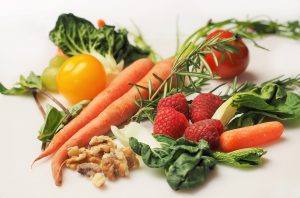 It’s so hard to keep up with the diet industry and to know how to make sense of recent diet advice. For instance, there is a craze right now with intermittent fasting. Some of the gurus say you should limit your eating to 7 hours a day, so you would only eat between 12-7pm (for instance) while others say that you would eat normally five days a week and bring your calorie count down to 600 calories a day for two days a week.
Then there are those who advocate eating five really small meals a day. The idea here is that your body is constantly staying full and burning small amounts of calories that it’s being given.
Which is right? Which is better? These are questions that you’ll have to answer for yourself. It’s important, as you think about it, to consider what will give you peace of mind, a full stomach and satisfaction. If you’re starving half the day then you probably won’t be fun to be around, get work done productively or eat in a positive way. And being healthy is much more important than being thin. Read about these many ideas and come to a conclusion about what will work for you – and what you’ll find sustainable.
April 9, 2017
· Filed under Health care, healthy eating
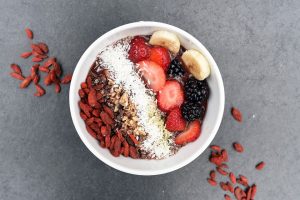 There is so much noise out there about fitness and diet that it’s hard to muddle your way through it all. One day an article can convince you that you should eat a lot of protein and low fat, and the next day an article can convince you to do the opposite. The bottom line is really that you need to find what works for you – and stick to it. A low fat and high protein diet might work for one person and not another. It’s more important to find something that works for you, and to stick with it, then it is to find the “perfect” diet out there.
Of course, it’s important to follow a plan that is researched based and that makes sense. If you aren’t sure where to start, you can ask your physician for advice. You can also look at programs that are well known like Weight Watchers, the South Beach Diet and the Dash diet. Once you decide on a plan for yourself, ignore the noise around you and the chatter from friends, colleagues and the news. This is your path and it’s time to get going!
Consider your own personal needs and then get started!
January 1, 2017
· Filed under healthy eating
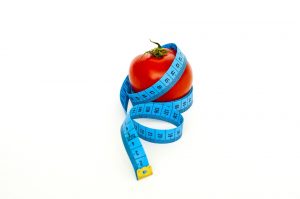 Many people use the new year as a time to reflect upon last year and to make resolutions. And if they keep those resolutions, then it’s a great opportunity to wipe the slate clean and to begin again. But if they don’t keep them, then it just becomes a cycle of trying to commit to making a change and then not making it. The majority of people, unfortunately, find themselves back to where they started by February 1 or soon thereafter. So, how can you make your New Year’s resolutions stick? Here are some suggestions to keep you on the right track.
- Don’t make radical resolutions. You got the way that you are overtime – so you can’t expect to change everything overnight. Keep your resolutions realistic.
- Don’t consider that you’re making resolutions. Rather, try to think of one thing that you think you can truly change in your life and stick with. Think of it as a new way of being, not as a resolution you hope to keep for a bit.
- Make a plan. Simply saying that you want to lose ten pounds this year isn’t going to get you there. You need a plan of action. What do you plan to take out of your diet? How much exercise will you put in? What are some small goals you can create for yourself?
- Give yourself smaller timelines. Rather than saying that you play to do x or y in 2017, give yourself a smaller timeline. Set monthly goals and see if you can stick to those.
December 8, 2016
· Filed under healthy eating
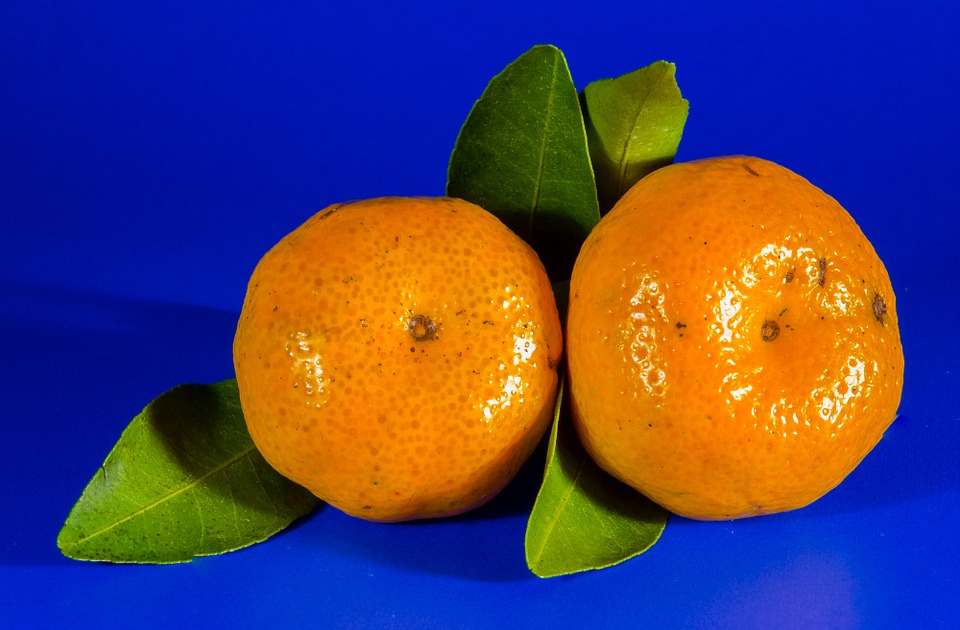
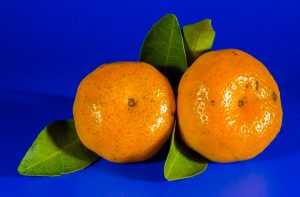 Many people assume that juice is nutritious and good for the diet. What people don’t realize, however, is that there is a lot of sugar in most fruit juices. And, if you think about eating one orange versus drinking a cup of orange juice (which often has the juice of three or four oranges) you’ll realize which is healthier. When you eat an orange, it takes you awhile to chew the pieces and to digest the orange. You fill your stomach and you bring the sugar into your blood stream slowly. When you drink orange juice, you don’t feel particularly full from the experience and you typically drink more calories than you would have had eating the orange. You also introduce more sugar into your blood stream much more quickly.
Many nutritionists and doctors will tell you that it’s far better practice to eat your fruit and vegetables rather than drinking them. Think about it.
October 10, 2016
· Filed under healthy eating
 We all want to have beautiful teeth, and most of us spend money on teeth cleanings, checkups, braces and more. But then we turn around and take away the whiteness of our teeth with the things we eat. Here are five foods to avoid if you want to keep those whites pearly white in color.
- Ketchup: Believe it or not, ketchup is acidic and can stain your teeth.
- White wine: White wine is actually even more acidic than red and it can cause damage and discoloration to teeth.
- Soy sauce and balsamic vinegar: Who would have known? They will stain your teeth.
- Fruit teas: Yes, you think you’re being better by having that fruit tea rather than the coffee, but these teas can actually do just as much damage to your teeth. Green tea, strawberry tea and raspberry tea are the worst culprits.
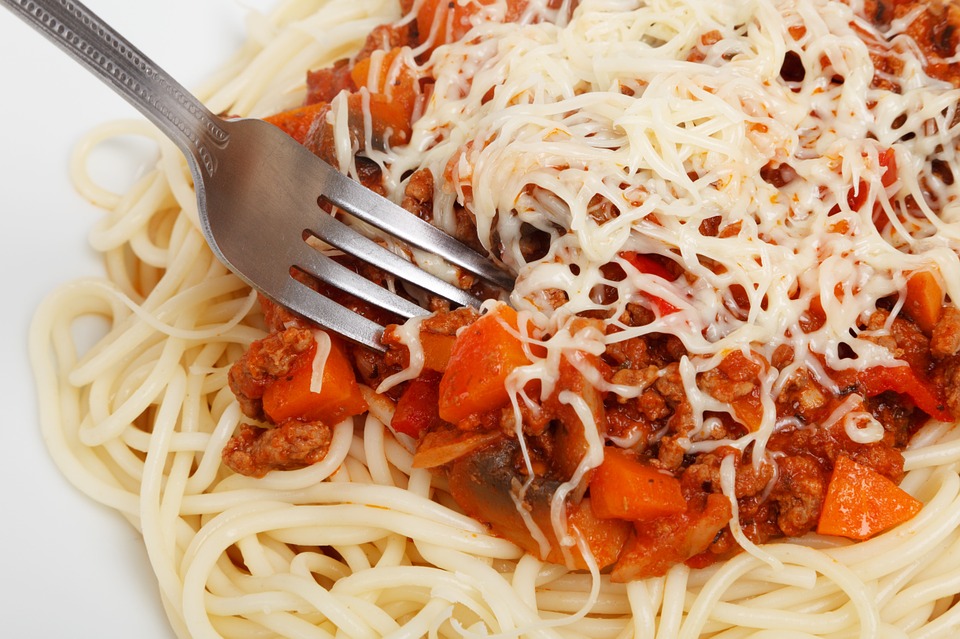
- Pasta sauce: The tomatoes in the pasta sauce tend to put your teeth at risk since they are acidic, bright red and clingy to teeth. However, here is a great trick. Eat some dark green vegetables like broccoli, kale or spinach, before you have that pasta and it will create a film that can go over your teeth.
 What does a journal possibly have to do with weight loss? Research has shown that people who write down what they eat tend to have more success than those who don’t. Why? This is the case for a few reasons.